

What Is a Glassless Mirror?
A Glassless Mirror is a reflective surface designed to deliver the look and clarity of traditional glass without using glass. Instead of a rigid glass substrate, it uses a front-surface reflective film mounted to a rigid, lightweight backing, making it shatterproof, safer, and easier to install in professional environments such as dance studios, fitness facilities, schools, and commercial spaces.
Because the reflective surface is viewed directly—rather than through glass—glassless mirrors eliminate the risk of shattering and common rear-surface mirror anomalies, while the rigid framework helps maintain a flat, accurate reflection independent of uneven wall surfaces.
Glassless mirrors are commonly specified where safety, durability, weight reduction, and liability concerns make traditional glass mirrors impractical.
How Does a Glassless Mirror Work?
Traditional mirrors rely on glass with a reflective coating applied to the back surface. Glassless mirrors achieve reflection using a different construction method.
A high-quality glassless mirror consists of:
-
Optical-grade front-surface reflective film
-
A rigid, lightweight backing or frame
-
A mounting system that maintains surface tension and flatness
Because the reflective layer is not viewed through glass or plastic, glassless mirrors can provide bright, clear reflections while eliminating the risks associated with breakage.
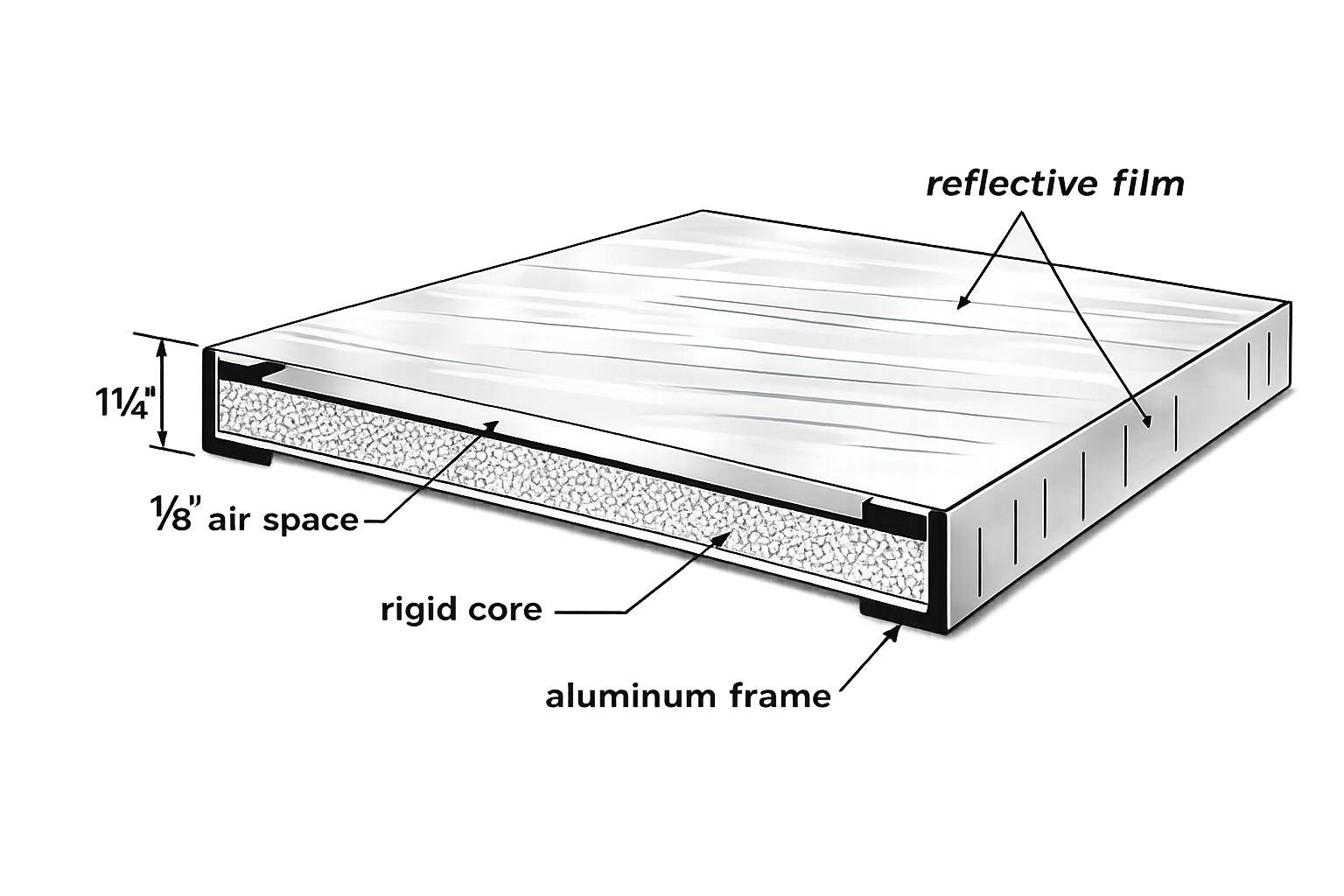
Glassless Mirrors vs Glass and Acrylic Mirrors
Glass Mirrors
-
Heavy and difficult to install
-
Can shatter, creating safety hazards
-
Increase liability in active environments
Acrylic Mirrors
-
Relatively lightweight (compared to glass) but prone to warping
-
Often introduce distortion
-
Can degrade or yellow over time
Glassless Mirrors
-
Shatterproof and lightweight
-
Safer for studios, gyms, and schools
-
Designed to maintain reflection quality when properly installed
Are Glassless Mirrors Distorted?
Distortion depends on material quality, structural design, and installation.
Lower-grade acrylic mirrors often exhibit:
-
“Funhouse” distortion
-
Warping from temperature changes
-
Inconsistent reflections
Professionally manufactured glassless mirrors use front-surface reflective film mounted to a rigid, precision-engineered backing. Because the reflective surface is viewed directly—rather than through a layer of glass—this construction eliminates common anomalies associated with rear-surface glass mirrors, including double reflections, ghost imaging, and edge darkening.
In addition, the flat, rigid framework maintains surface planarity independent of the underlying wall condition. Unlike glass or acrylic mirrors, which can telegraph uneven substrates and introduce distortion, glassless mirrors remain flat and stable when properly installed.
As a result, glassless mirrors can deliver accurate reflections that meet or exceed traditional glass mirrors in many professional environments.
Optical-grade reflective film is typically reserved for specialized applications such as high-definition rear-projection systems, while general-grade reflective film is used for studios, gyms, and architectural spaces where safety, durability, and visual accuracy are critical.
Are Glassless Mirrors Shatterproof and Safe?
Yes. Because they contain no glass, glassless mirrors do not shatter on impact, significantly reducing the risk of injury in environments involving movement, equipment, or physical activity.
By eliminating the primary hazard associated with traditional glass mirrors, glassless mirrors can help reduce liability exposure—an important consideration in today’s increasingly litigious environment. Some facilities have reported lower insurance-related risk assessments as a result, though outcomes vary by provider and application.
For these reasons, glassless mirrors are frequently specified for use in:
-
Dance and ballet studios
-
Fitness centers and gyms
-
Schools and universities
-
Physical therapy and rehabilitation facilities
Where Are Glassless Mirrors Commonly Used?
Glassless mirrors are used in a wide range of professional and commercial applications, including:
-
Dance studios and performance spaces
-
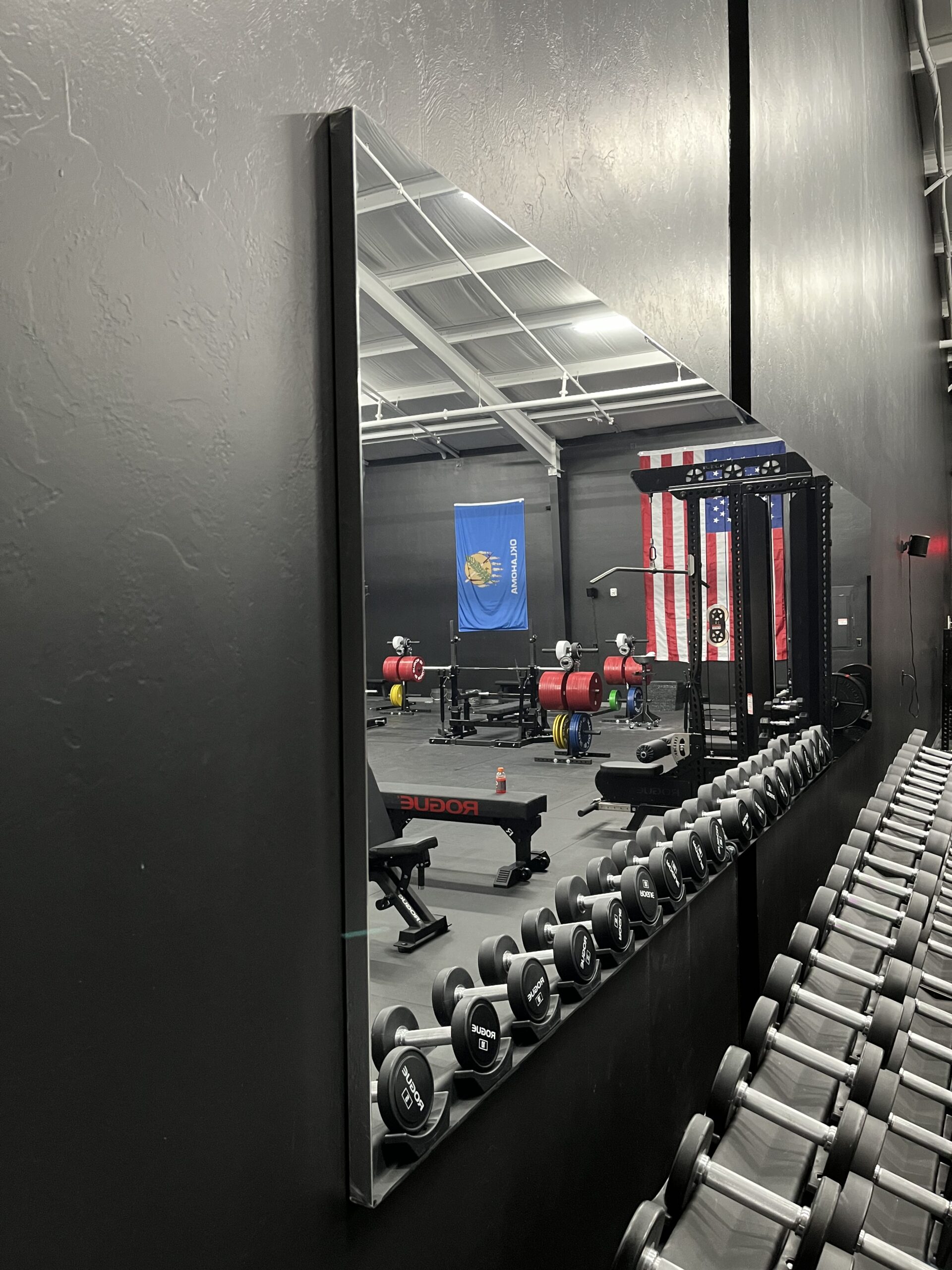
Fitness and weight-training facilities
-
Educational institutions
-
Commercial interiors and exhibits
-
Portable or temporary installations
Their combination of clarity, safety, and ease of installation makes them well-suited for high-use environments.
Are All Glassless Mirrors the Same?
No. Materials, construction methods, and reflective film quality vary significantly between manufacturers.
Some glassless mirrors prioritize cost over performance, while others are engineered for professional optical applications.
To learn how Mirrorlite® glassless mirrors differ from traditional glass and acrylic mirrors, see:
Glassless Mirror Advantages →
Frequently Asked Questions
Do glassless mirrors look like glass mirrors?
Because glassless mirrors use a front-surface reflective film, there is no glass layer in front of the reflection. This eliminates common issues such as double reflections, ghost imaging, and darkening, while the rigid frame helps maintain a flat, distortion-free surface.
Can glassless mirrors be wall mounted?
Yes. Glassless mirrors can be wall mounted or used in free-standing systems depending on the application.
Do glassless mirrors require special maintenance?
No. Glassless mirrors require minimal cleaning due to their non-static surface, which does not readily attract dust. When cleaning is needed, we recommend using original Windex® (non-abrasive) and disposable, lint-free microfiber or cotton cloths to preserve optical clarity.
Choosing the Right Mirror Solution
Understanding what a glassless mirror is helps determine whether it is the right solution for your space.
From here, most readers choose to:
-
Explore Glassless Mirror Advantages→
-
Request a Custom Quote→